HPV & epithelial cancer
High-risk human papillomavirus in cervical, oropharyngeal, anogenital and other epithelial tumors.
At the Aguayo Lab we investigate the interplay between oncogenic DNA viruses and environmental cofactors in the development of human cancer — from cervix and head & neck to lung, breast and gastrointestinal tumors.
The Aguayo Laboratory is part of the Department of Biomedical Sciences, Faculty of Medicine, Universidad de Tarapacá, in Arica, Chile. Led by Prof. Francisco Aguayo, PhD, we study the relationship between viral infections and cancer development.
Roughly 15% of the global cancer burden is etiologically related to infections. We focus on oncogenic DNA viruses — including human papillomavirus (HPV), Epstein–Barr virus (EBV) and polyomaviruses — and on how environmental carcinogens such as tobacco smoke, benzo[a]pyrene and aflatoxin cooperate with them to reshape epithelial cells toward malignancy.
See our research lines →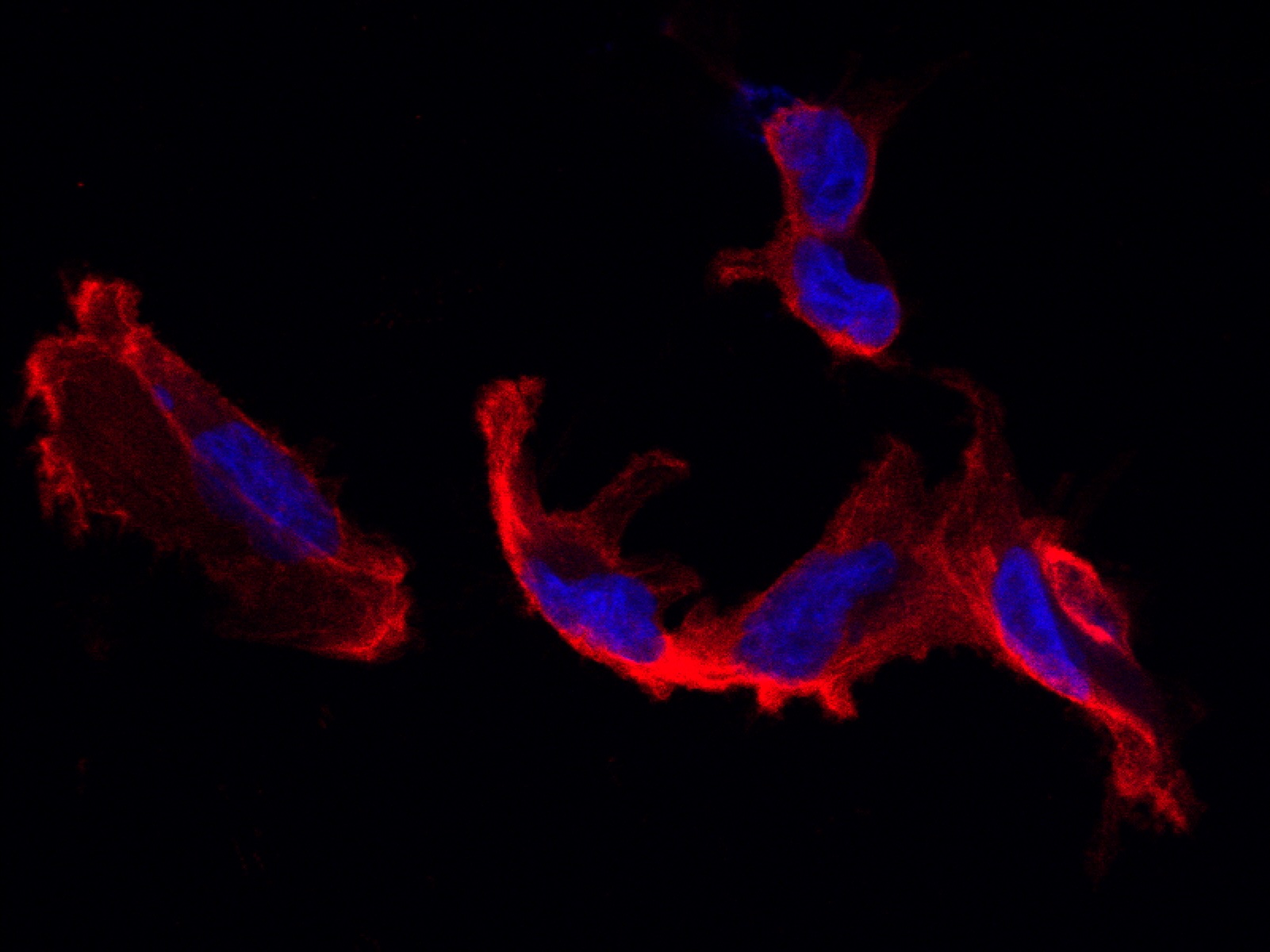
From classic oncoviruses to emerging agents, and the carcinogens that amplify their effect.
High-risk human papillomavirus in cervical, oropharyngeal, anogenital and other epithelial tumors.
Epstein–Barr virus reactivation driven by tobacco smoke and benzo[a]pyrene in lung carcinogenesis.
Cooperation between viral oncoproteins and chemical carcinogens such as aflatoxin and BaP.
MMTV-like viruses, Torque Teno virus, polyomaviruses and virus–microbiome interactions.
We welcome motivated undergraduate, master's and doctoral students with an interest in virology, molecular oncology and cell biology.
Get in touch